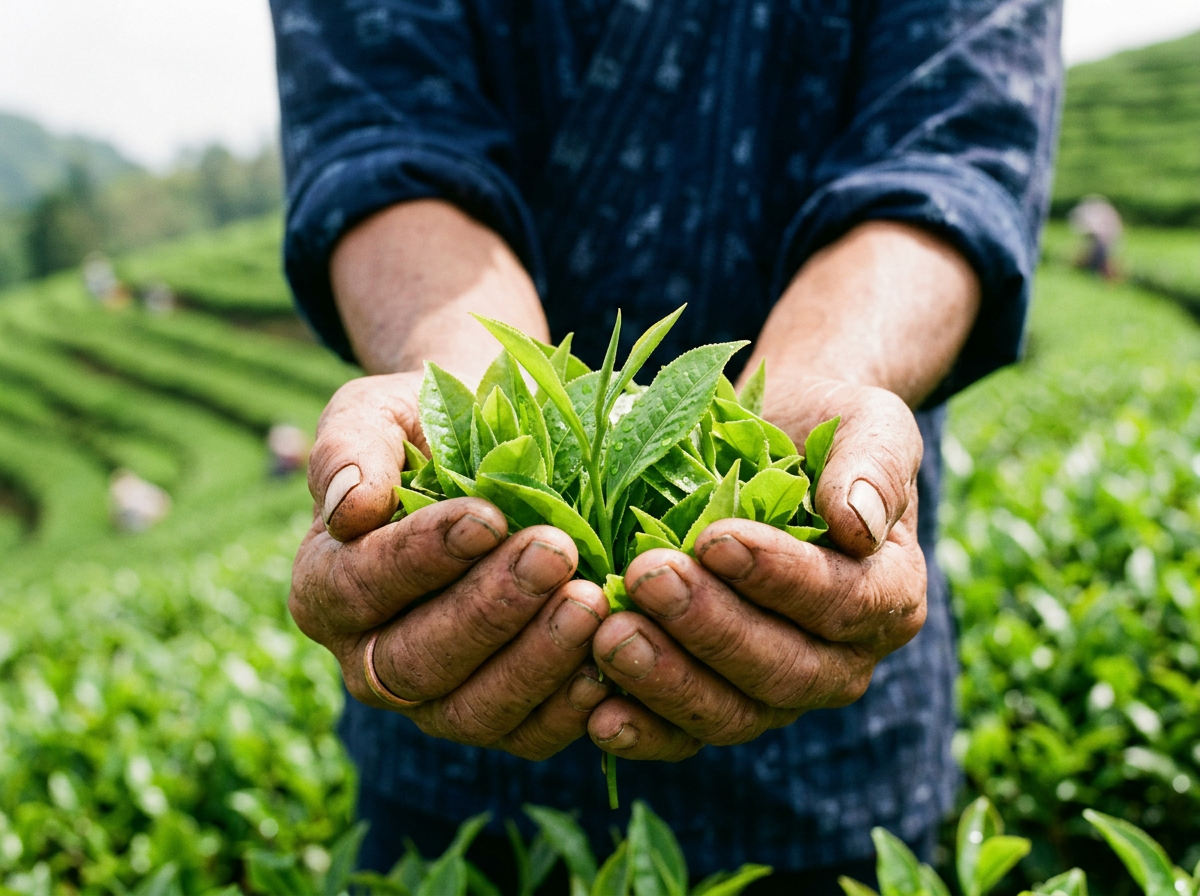
The story of Ceylon tea began in 1867, when a young Scotsman named James Taylor planted the first nineteen acres of tea bushes on the Loolecondera estate in Kandy. At the time, Sri Lanka was a thriving nation of coffee plantations. However, when devastating coffee rust blight swept across the island, it threatened to cripple the entire economy. It was tea that emerged as the nation’s glorious salvation.
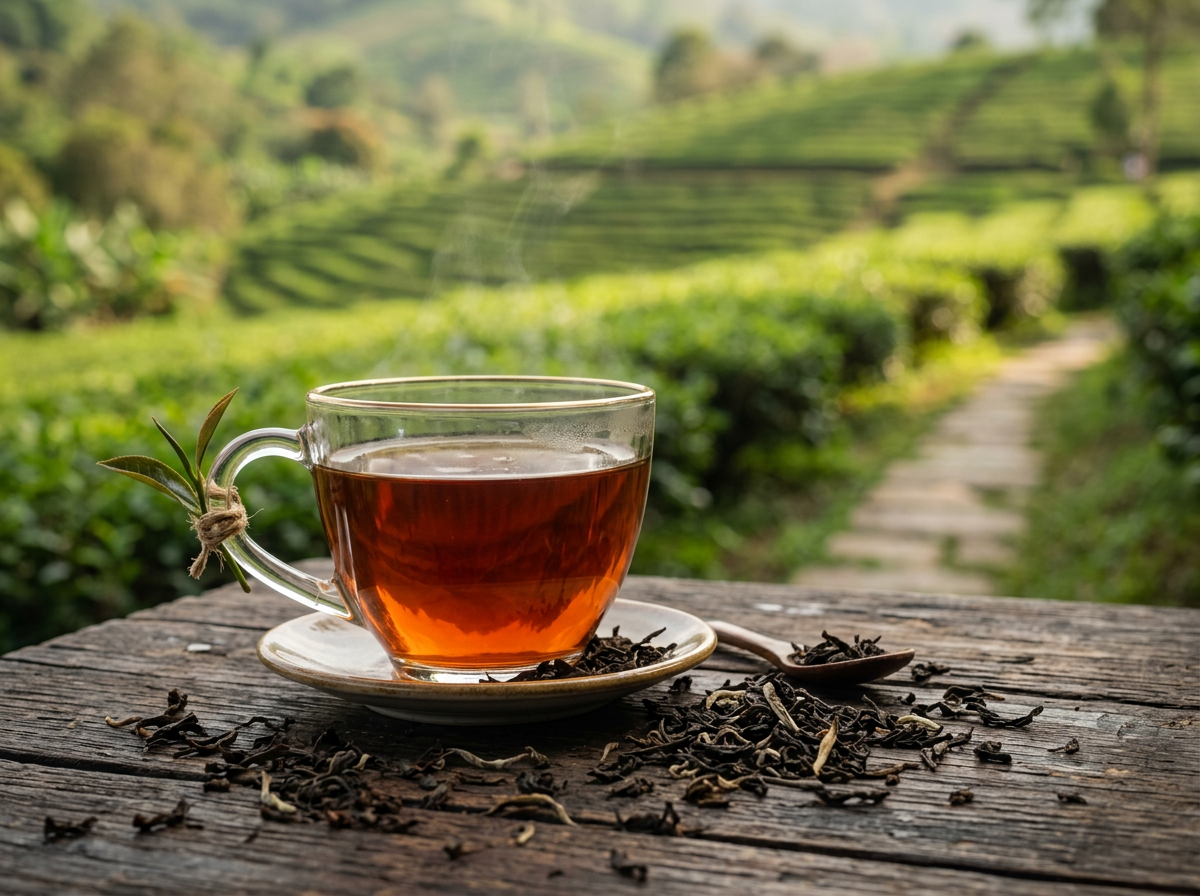
Taylor constructed a rudimentary rolling machine on the verandah of his bungalow, fired the leaves over clay ovens, and sent the very first commercial shipment of Ceylon tea to London in 1873. British buyers were astounded by the brilliant amber clarity, the brisk aromatic briskness, and the unmistakable bouquet that no other colony could replicate.
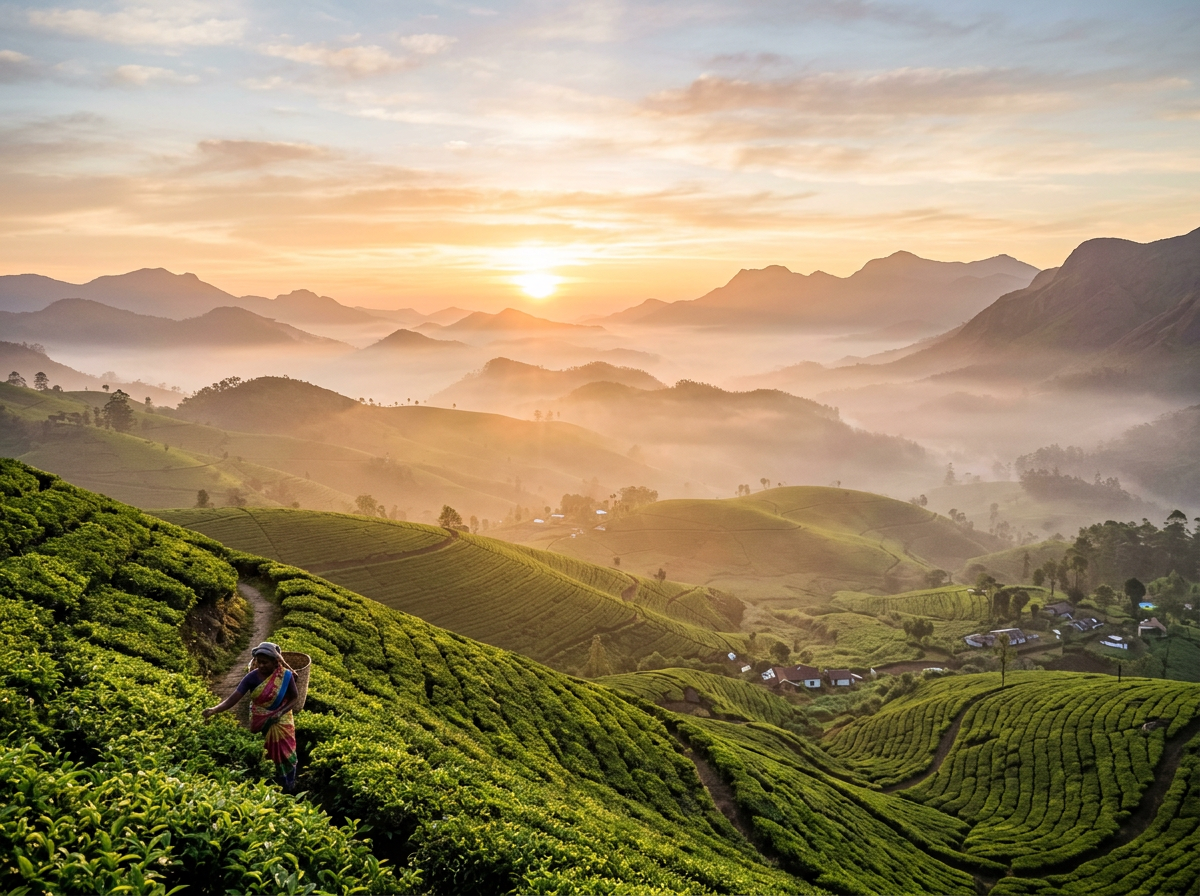
By the early twentieth century, Ceylon tea had earned a reputation for unmatched quality, and Sri Lanka grew into one of the world’s largest and most trusted tea exporters. The unique topography of the central highlands — where mountain elevations range from sea level to over 2,200 meters — creates diverse microclimates shaped by alternating southwest and northeast monsoons.
Today, Ceylon tea is protected globally by the iconic Ceylon Lion Logo — an official certification mark signifying that every leaf was harvested and processed entirely in Sri Lanka to stringent standards. At Rosenborg, backed by Benchmark International (Pvt) Ltd, we proudly carry this 150-year legacy forward, ensuring each package brings the pure spirit of the highlands directly to your cup.